
Can music protect the mind from dementia?
According to new research from Monash University (Australia), the answer appears to be yes.
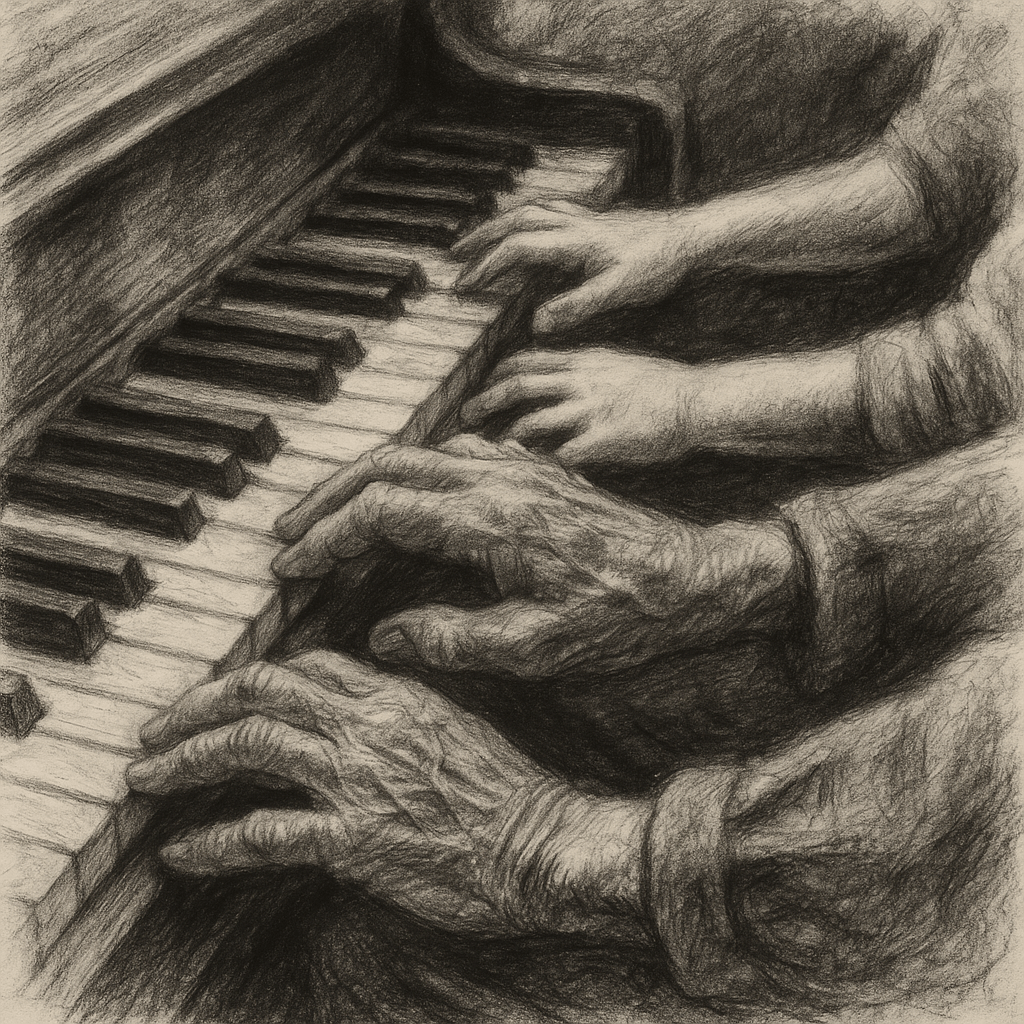
A large-scale study of more than 11,000 adults aged 70+, published on October 14, 2025 in the International Journal of Geriatric Psychiatry, found that regular musical engagement — listening or playing an instrument — is linked to significantly lower risk of dementia and cognitive decline.
Researchers followed participants for several years, observing their musical habits and mental health.
Here’s what they found:
- Listening to music daily was associated with a 39% lower risk of dementia and 17% fewer cases of mild cognitive impairment (MCI).
- Playing an instrument reduced dementia risk by 35%.
– - Combining both — listening and playing — led to even stronger effects: a 33% reduction in dementia rates compared with those who avoided music altogether.
Interestingly, the effect was strongest among participants with higher education levels, suggesting that music may help build cognitive reserve — the brain’s ability to stay resilient against aging.
“Music is not just pleasure – it’s a workout for the brain,”
notes Professor Joanne Ryan, co-author of the study.
Although music isn’t a cure for dementia, scientists believe it can serve as a powerful, low-cost form of mental exercise, helping maintain emotional and cognitive health well into old age.
In a world where no effective medication yet exists, that’s a melody worth listening to.
Reflection
During my research project, where I explored how short live classical singing affects children’s mood and attention, I discovered that music never acts in one simple way.
Younger children often reacted with excitement and laughter, while older ones became calmer and more focused.
That showed me that sound can both energise and soothe — depending on age, emotions, and context.
What struck me most was that the effect wasn’t always about concentration, but about emotional regulation.
Music seemed to help children manage how they felt — which might be the first step toward better attention and inner balance.
That’s why these new findings about music and dementia fascinate me so much.
Maybe the same mechanisms that help children regulate their emotions through sound also help the aging brain preserve memory and clarity.
In the future, I’d love to design a small project with older adults — perhaps in a local care home — to explore this connection.
Sources:
Monash University (2025), International Journal of Geriatric Psychiatry, Medonet.pl, SocialCare.Today, MedicalXpress.
🇵🇱 Muzyka a demencja – jak dźwięki chronią nasz umysł
Czy muzyka może chronić przed demencją?
Według najnowszych badań naukowców z Monash University w Australii – wygląda na to, że tak.
Badanie opublikowane 14 października 2025 r. w czasopiśmie International Journal of Geriatric Psychiatry objęło ponad 11 000 seniorów w wieku 70+.
Wyniki pokazały, że regularny kontakt z muzyką – zarówno słuchanie, jak i gra na instrumencie – wiąże się z istotnie niższym ryzykiem rozwoju demencji i zaburzeń poznawczych.
Oto najważniejsze liczby:
- Codzienne słuchanie muzyki – aż 39% niższe ryzyko demencji i 17% mniej przypadków łagodnych zaburzeń poznawczych (MCI).
- Gra na instrumencie – 35% niższe ryzyko demencji.
- Słuchanie i granie jednocześnie – spadek ryzyka aż o 33% w porównaniu z osobami stroniącymi od muzyki.
Największe korzyści zaobserwowano u osób lepiej wykształconych, co sugeruje, że muzyka może wspierać tzw. rezerwę poznawczą – odporność mózgu na starzenie.
„Muzyka to nie tylko przyjemność – to także trening dla mózgu”
– podkreśla prof. Joanne Ryan, współautorka badania.
Choć muzyka nie jest lekarstwem na demencję, naukowcy uważają, że może stanowić prosty i skuteczny sposób wspierania zdrowia poznawczego.
W świecie, w którym nie mamy jeszcze skutecznego leku na otępienie, to naprawdę dobra wiadomość.
Refleksja
Podczas mojego projektu badawczego , w którym sprawdzałam wpływ krótkiego śpiewu klasycznego na nastrój i uwagę dzieci, zauważyłam, że muzyka nie działa w jeden, prosty sposób.
Młodsze dzieci reagowały często radością i pobudzeniem, a starsze – spokojem i skupieniem.
To pokazało mi, że dźwięki mogą zarówno pobudzać, jak i wyciszać – w zależności od wieku, emocji i kontekstu.
Najciekawsze było to, że efekt nie zawsze dotyczył koncentracji, ale raczej emocji.
Muzyka zdawała się pomagać dzieciom regulować ich nastrój – co może być pierwszym krokiem do głębszej uwagi i równowagi.
Właśnie dlatego te nowe badania o muzyce i demencji tak bardzo mnie fascynują.
Być może te same mechanizmy, które u dzieci pomagają porządkować emocje poprzez dźwięk, u seniorów chronią pamięć i jasność umysłu.
W przyszłości chciałabym przeprowadzić podobne doświadczenie z osobami starszymi – może w lokalnym domu opieki.
Źródła:
Monash University (2025), International Journal of Geriatric Psychiatry, Medonet.pl, SocialCare.Today, MedicalXpress.
 Exploring how voice connects music, science, and emotion.