EN 2025 Nobel Prize in Medicine
What a month – the Chopin Competition, which fascinates me every single day, and now, as always at this time of year, the Nobel Prizes.
The first one, particularly close to my interests, is the Nobel Prize in Medicine.
This year’s Nobel Prize in Physiology or Medicine was awarded to Mary E. Brunkow, Fred Ramsdell, and Shimon Sakaguchi.
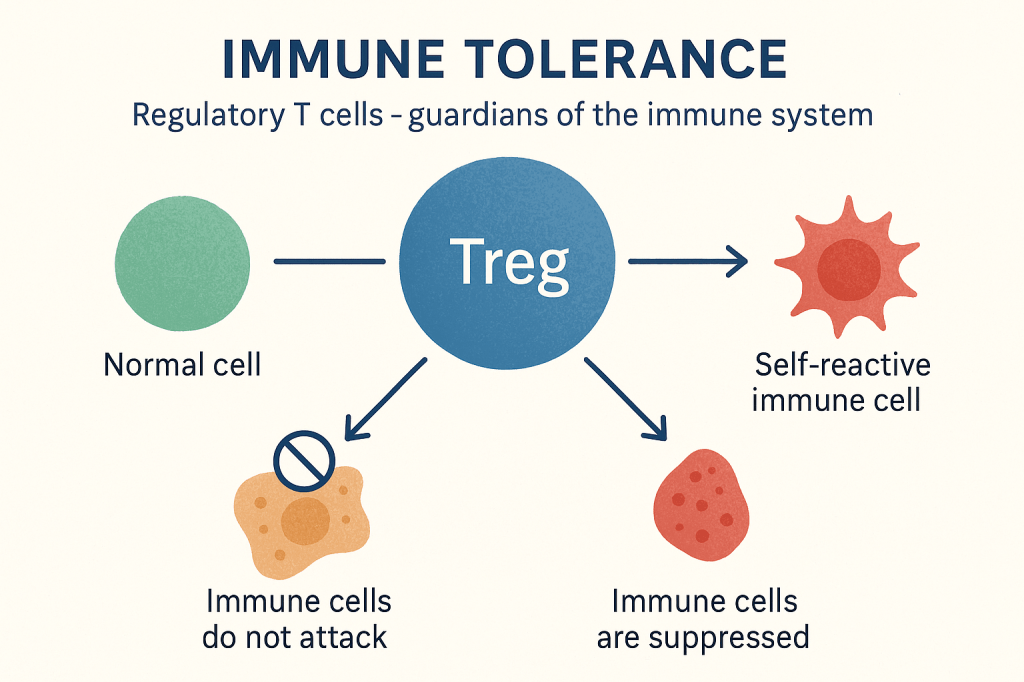
For what? They discovered something of fundamental importance to our health – that the immune system, which usually protects us from diseases, also needs… brakes. Without them, it could start attacking our own organs and tissues.
The laureates identified very special cells – regulatory T cells, which act as the “bodyguards” of our organism. They make sure the immune system fights viruses and bacteria but does not confuse them with ourselves.
What does this discovery give us?
- it helps us better understand autoimmune diseases (such as type 1 diabetes or multiple sclerosis),
- it opens new paths in cancer treatment,
- it gives hope for safer transplants.
It is truly inspiring to see how scientists keep pushing the boundaries of knowledge so that we can better understand the world.
And on October 8, 2025 comes the next big moment – the Nobel Prize in Chemistry! 💚
PL Nagroda Nobla w medycynie 2025
Co za miesiąc – Konkurs Chopinowski, który zachwyca mnie każdego dnia, a teraz, jak co roku o tej porze, ogłoszono także laureatów Nagród Nobla.
Pierwsza z nich, szczególnie bliska moim zainteresowaniom, to Nobel w dziedzinie medycyny.
Tegoroczną Nagrodę Nobla w dziedzinie fizjologii lub medycyny otrzymali Mary E. Brunkow, Fred Ramsdell i Shimon Sakaguchi.
Za co? Odkryli coś, co ma fundamentalne znaczenie dla naszego zdrowia – że układ odpornościowy, który zwykle chroni nas przed chorobami, potrzebuje też… hamulców. Bez nich mógłby zacząć atakować własne organy i tkanki.
Laureaci zidentyfikowali wyjątkowe komórki – regulacyjne limfocyty T, które działają jak „ochroniarze” naszego ciała. To one pilnują, by układ odpornościowy walczył z wirusami czy bakteriami, ale nie pomylił ich z nami samymi.
Co nam daje to odkrycie?
- pomaga lepiej rozumieć choroby autoimmunologiczne (np. cukrzycę typu 1 czy stwardnienie rozsiane),
- otwiera nowe drogi leczenia raka,
- daje nadzieję na bezpieczniejsze transplantacje.
Niezwykle inspirujące jest to, jak naukowcy pokonują kolejne granice, byśmy mogli lepiej rozumieć świat.
A już 8 października 2025 kolejna wielka chwila – Nagroda Nobla w chemii! 💚
 Exploring how voice connects music, science, and emotion.